When you’re running an industrial parts die casting operation, mold cleaning isn’t just a quick chore—it’s the make-or-break step that keeps your parts on spec, your downtime low, and your bottom line from bleeding out. As a mold supplier who’s worked with hundreds of shops over the past 12 years, I’ve seen firsthand how skipping small cleaning hacks turns into big headaches: a tiny layer of leftover aluminum gunk causes cold shots, a missed water spot leads to mold pitting that ruins a batch of steering knuckles, and cutting corners on tooling maintenance costs shops 2+ days of production per month. This isn’t guesswork—this is practical, on-the-floor stuff I’ve picked up walking mold shops at 7 a.m. before their first shift. Let’s break down the best practices that actually work, no corporate jargon or overcomplicated steps. Industrial Parts Die Casting Mold
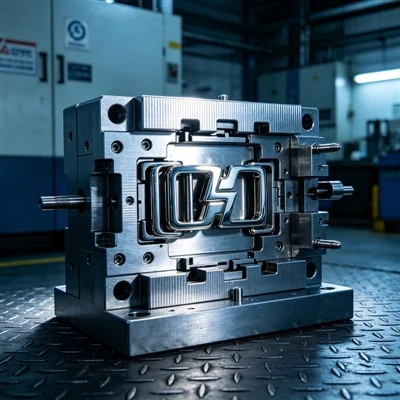
First off, stop doing full mold cleans after every single shot. That’s the #1 mistake I see new operations make. Cleaning 100% of the mold every cycle wears down the surface, eats into tool steel’s lifespan, and adds 15–20 mins of unneeded labor per run. Instead, use a “progressive clean” schedule tailored to your part’s volume and material. For high-volume aluminum die casting (think 100k+ parts a month, like automotive transmission housings), do a quick “hot knock” clean after every 50–100 cycles. That’s yanking the mold hot (never let it cool down—cooling shrinks aluminum residue and makes it way harder to scrape off), tapping the core and cavity with a soft rubber mallet, brushing loose debris with a nylon bristle brush, and hitting the vents with compressed air (30–50 PSI, not 100—high pressure bends vent pins). Then, every 2,000–5,000 cycles, do a deep, no-contact soak clean. This is where most people mess up: they grab a harsh chemical spray that eats into mold coating. Stick to food-grade, water-based cleaners made for die casting—no acids, no abrasive solvents. Heat the cleaner to 120–140°F, submerge the mold (or, if it’s too big, spray it down with a pressure washer set to 800 PSI, not 1500), and let it sit for 30–45 mins. Avoid scrubbing with steel wool—even fine steel leaves tiny scratches that trap residue. I learned this the hard way: a customer used steel wool once and ended up with 3 weeks of mold repairs because the scratches filled with aluminum during casting.
Next, don’t ignore the small stuff: vents, cooling lines, and parting lines. Vents are the unsung heroes of die casting, and they get clogged with tiny aluminum shavings every single run. If vents are blocked, air gets trapped in the mold and causes voids in parts—even if you set injection pressure at 10,000 PSI. For vents, once a week, use a vent reamer (we sell these as a standard mold accessory) to clear out debris, then blow through with compressed air. If a vent is already clogged solid, don’t try to drill it out on your own—send it to a mold repair shop, or if you’re a supplier, we can do it for you in 24 hours. Cooling lines are another big one: mineral buildup and leftover casting lubricant clog these, so your mold runs unevenly, leading to warped parts. Once a month, flush cooling lines with a descaling solution—again, water-based, no harsh chemicals. We send free sample descaling packets with every mold we sell, and 90% of our repeat customers say that cut their part defect rate by 12% within 3 months. Parting lines are where the two mold halves meet, and leftover flash (thin aluminum sheets) builds up here too. After every shift, run a plastic scraper along the parting line—no sharp metal tools here, they’ll scratch the mold surface. We include a set of plastic scrapers with every industrial die casting mold we deliver, because sharp tools are way too easy to grab when you’re in a rush.
Then, there’s the trap that even seasoned shops fall for: skipping pre-clean prep work. Way too many people pull a mold hot and immediately start spraying cleaner, which just makes the loose aluminum turn into a sticky mess that’s impossible to remove. Pre-cleaning is 2 mins of work, but it saves 20 mins of scrubbing. First, blow off all loose debris with compressed air before spraying any liquid. Second, if you’re dealing with a mold that’s got heavy buildup (after a weekend shutdown, for example), wipe down the surface with a lint-free cotton rag dampened with isopropyl alcohol (70% works, 91% is too harsh) before the soak clean. Alcohol breaks down dried lubricant, so the soak cleaner can get to the aluminum, not fight through grease. I had one customer who was spending 4 hours cleaning a mold once a month—after adding that pre-clean step, they cut it down to 90 mins. That’s 3 extra hours they can run parts, which for a shop making $150 an hour per mold, is $450 in revenue per month, easy.
Wait, also—what about chemical cleans vs. mechanical cleans? I see shops split 50/50 on this, but the truth is, mix and match. Mechanical cleans (scraping, brushing, air blowing) are great for loose, recent residue. Chemical cleans are for baked-on buildup. Don’t use sandblasting unless it’s a last resort—sandblasting can etch the mold surface if the pressure’s too high, or leave sand particles in tiny crevices that show up in your parts for months. If you have to use sandblasting, use glass bead media, set the pressure to 40 PSI, and hold the nozzle 6–8 inches away from the mold. And never sandblast coated molds—coating is there to prevent aluminum from sticking, sandblasting will strip it right off. That’s a mistake that costs thousands in mold replacements, so take it from a supplier: if we coat your mold, don’t use sandblasting, period.
Another thing: track your cleaning schedule with a simple spreadsheet, not a fancy CMMS. You don’t need expensive software to track cycles and cleans. Just list the mold serial number, date of last deep clean, number of cycles since last clean, and defect rate for that mold. I send a free, super simple Google Sheet template to every customer who buys a mold from us—it’s just 4 columns, no training needed. One of our auto parts customers used to guess when to clean their molds, leading to 8% defect rates. After using the spreadsheet, they could see that their #2 mold needed a clean at 3,200 cycles, not 5,000, and their defect rate dropped to 1.5% overnight. That’s the power of simple, consistent tracking—no overengineering required.
Now, let’s talk about the mistakes that kill molds fast, and how to avoid them. First, cooling a mold too quickly after a run. If you pull a hot mold, blast it with cold water, and set it on a concrete floor, the mold warps. That warping creates gaps in the parting line, which lets aluminum seep in and causes flash, which in turn makes cleaning way harder. When you’re done with a run, let the mold air-cool for 2 hours, or cover it with a heat blanket if you’re storing it between shifts. Second, storing a dirty mold. If you’re shutting down for the weekend, don’t just leave a mold in storage covered in grime. Clean it fully, coat it with a thin layer of food-grade mold oil (we sell that too), and wrap it in plastic to keep moisture out. Moisture causes rust, and even a tiny rust spot will turn into a big pit when you cast aluminum on it. Third, using the wrong cleaning tools. We’ve seen shops use wire brushes, chisels, even drill bits to scrape molds—all of these leave scratches. Stick to nylon brushes, plastic scrapers, and soft rubber mallets. Wire brushes might seem tough, but they leave metal shavings in the mold that mix with your parts and make them fail inspection.
Let’s wrap this up with what matters most for you: cleaning best practices aren’t just about upkeep—they’re about making money. A mold that’s clean runs faster, has fewer defects, lasts 20–30% longer than a neglected mold, and requires way less emergency repair work. We’ve been supplying industrial die casting molds for over a decade, and our top customers aren’t the ones who buy the cheapest molds—they’re the ones who stick to consistent cleaning schedules, follow the small steps, and reach out to us when they run into a problem, not when their mold is broken beyond fix.

If you’re dealing with mold cleaning headaches, looking for a reliable industrial die casting mold, or need a custom mold for a new part, reach out to our team to chat through your needs. We’ve helped hundreds of shops cut their downtime, lower defect rates, and extend their mold’s lifespan, and we can help you too.
Buckle Accessories Die Casting Mold References
- Die Casting Mold Maintenance Best Practices, North American Die Casting Association, 2022
- Industrial Mold Cleaning: Avoiding Common Mistakes, Modern Casting Magazine, Vol. 112, No. 3, 2021
- Tool Steel Surface Preparation for Die Casting, Society of Manufacturing Engineers, 2023
Hangzhou Pullbull Technology Co., Ltd.
As one of the most professional industrial parts die casting mold manufacturers and suppliers in China, we offer a wide range of products with superior quality. Please feel free to wholesale bulk premium industrial parts die casting mold from our factory. Also, custom service is available.
Address: Rm 805 Gemini Build 1, #1785 JiangHan Rd, BinJiang, Hangzhou, China 310052
E-mail: markdan@menovo.cn
WebSite: https://www.pbmold.com/
