Hey there! I’m a supplier of calcined alumina, and today I wanna chat about the applications of calcined alumina in catalysts for environmental protection. Calcined alumina is a super versatile material, and its role in environmental – friendly catalysts is truly remarkable. Calcined Alumina

1. Basics of Calcined Alumina
First off, let’s get a bit of background on calcined alumina. It’s made by heating aluminum hydroxide to high temperatures, which changes its crystal structure and gives it some really cool properties. It’s got high purity, great thermal stability, and a large surface area. These features make it an ideal candidate for use in catalysts.
2. Catalysts for Air Pollution Control
One of the most important applications of calcined alumina in environmental protection is in air pollution control. In catalytic converters for vehicles, calcined alumina plays a crucial role.
2.1. Three – Way Catalysts
Three – way catalysts are used in cars to reduce emissions of harmful gases like carbon monoxide (CO), nitrogen oxides (NOₓ), and unburned hydrocarbons (HC). Calcined alumina serves as a support material for the precious metal catalysts (such as platinum, palladium, and rhodium). The large surface area of calcined alumina provides more sites for the precious metals to disperse, increasing the contact area between the reactant gases and the catalysts. This improves the efficiency of the catalytic reactions. For example, it helps convert CO to carbon dioxide (CO₂), NOₓ to nitrogen (N₂), and HC to CO₂ and water (H₂O).
2.2. Industrial Flue Gas Treatment
In industrial settings, factories produce a lot of flue gases that contain pollutants. Calcined alumina – based catalysts are used to remove sulfur dioxide (SO₂) and NOₓ from these flue gases. The alumina can be impregnated with different active components to target specific pollutants. For instance, vanadium – based catalysts supported on calcined alumina are effective in reducing NOₓ emissions through selective catalytic reduction (SCR). The high thermal stability of calcined alumina allows it to withstand the high temperatures in industrial flue gas treatment processes.
3. Catalysts for Water Treatment
Calcined alumina also has applications in water treatment.
3.1. Removing Heavy Metals
Heavy metals like lead, mercury, and cadmium are serious pollutants in water. Calcined alumina can be used as a catalyst support in processes for removing these heavy metals. The surface of calcined alumina can be modified to have specific functional groups that can adsorb heavy metal ions. For example, by coating the alumina with certain metal oxides, it can enhance the adsorption capacity for heavy metals. Then, through catalytic reactions, the heavy metal ions can be reduced or transformed into less toxic forms.
3.2. Degrading Organic Pollutants
In water, there are many organic pollutants such as pesticides and industrial chemicals. Calcined alumina – based catalysts can be used in advanced oxidation processes (AOPs) to degrade these organic pollutants. For example, when combined with hydrogen peroxide or ozone, the catalysts can generate highly reactive hydroxyl radicals. These radicals can break down the complex organic molecules into simpler and less harmful substances, like CO₂ and H₂O.
4. Catalysts for Waste Incineration
Waste incineration is a common way to deal with solid waste, but it also produces pollutants. Calcined alumina – based catalysts can be used to reduce the emissions of pollutants during waste incineration.
4.1. Reducing Dioxin Emissions
Dioxins are extremely toxic pollutants produced during waste incineration. Calcined alumina – supported catalysts can promote the decomposition of dioxins at high temperatures. The large surface area of the alumina allows for better dispersion of the active components, which can effectively break down the dioxin molecules into less harmful substances.
4.2. Controlling Other Pollutants
In addition to dioxins, waste incineration also produces CO, NOₓ, and other pollutants. Calcined alumina – based catalysts can help convert these pollutants into less harmful gases. For example, they can promote the oxidation of CO to CO₂ and the reduction of NOₓ to N₂.
5. Why Choose Our Calcined Alumina
As a supplier of calcined alumina, I can tell you that our product has some great advantages. First, we have strict quality control. We ensure that our calcined alumina has high purity, which is essential for its performance in catalysts. Second, we can customize the properties of our calcined alumina according to different customer needs. Whether you need a specific surface area, pore size, or crystal structure, we can adjust our production process to meet your requirements.
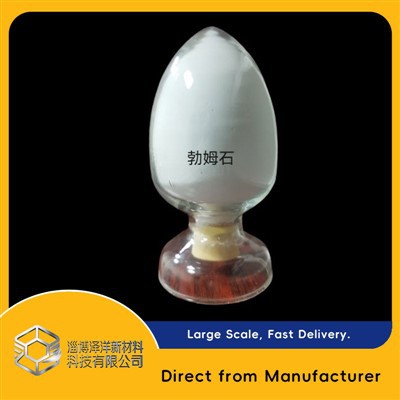
We also offer good after – sales service. If you have any questions or problems during the use of our calcined alumina, our technical team is always ready to help. And we have a stable supply capacity, so you don’t have to worry about running out of materials.
6. Let’s Talk!
White Corundum If you’re in the business of making environmental protection catalysts and are looking for high – quality calcined alumina, I’d love to have a chat with you. Whether you’re working on air pollution control, water treatment, or waste incineration catalysts, our calcined alumina can be a great choice. Just reach out to us and we can discuss your specific needs and how our product can fit into your projects.
References
- "Catalysis for Sustainable Energy and the Environment" by various authors
- "Environmental Catalysis" research papers from academic journals such as Applied Catalysis B: Environmental
Shandong Leipu New Material Technology Co., Ltd.
With abundant experience, we are one of the most professional calcined alumina manufacturers and suppliers in China. Please feel free to buy high quality calcined alumina for sale here and get quotation from our factory. For price consultation, contact us.
Address: Advanced Ceramic Industry Innovation Park, No. 125, Liuquan Road, High-tech Zone, Zibo City, Shandong Province
E-mail: 2330389088@qq.com
WebSite: https://www.sdleipu.com/
