Hey everyone, this is Jake from your go-to coating machine supplier—you know, the folks who make sure your lines run as smooth as butter, not like a truck stuck in mud. I’ve been fielding a ton of questions lately: “How do I keep my coating machine from crapping out mid-job?” “Why did my last maintenance attempt end up costing twice as much as a breakdown repair?” Let’s cut the B.S. here—maintaining a coating machine isn’t rocket science, but it’s also not just “change the oil and call it a day.” I’ve worked with hundreds of plants (from small print shops to big solar panel factories) and seen what works, what wastes time, and what straight-up ruins a machine faster than skipping a routine check. Coating Machine
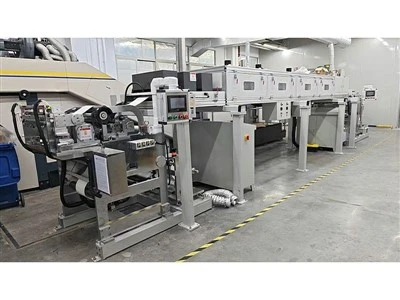
First off, let’s get one thing straight: a coating machine is a beast made of dozens of tiny, interconnected parts. Ignore one, and you’re looking at a $10k+ repair, a day (or week) of downtime, and maybe a batch of ruined product that’s gonna eat into your profit. I’m gonna break this down into daily, weekly, monthly, and quarterly stuff—easy to follow, no fancy tools required, and stuff that actually sticks.
Starting with the daily grind. You don’t need a maintenance crew to do this; your line operator can bang this out in 10 minutes before they start the first run, and 5 minutes after they wrap for the day. Post-run is extra important, because if you let coating material dry on parts overnight, you’re basically gluing tiny abrasives to everything. First, hit the applicator rolls. Those are the heart of the machine, right? If gunk dries in the gaps between the blades and the rolls, you’ll get uneven coating—like, streaks so bad that batch gets rejected. I use a mix of warm water (for water-based coatings, duh) and a soft bristle brush, not that metal scraper everyone grabs. Metal will scratch the roll surface, which is a death sentence for coating accuracy. For solvent-based stuff? Use the manufacturer’s recommended solvent, don’t go mixing random stuff because it’s “cheap”—one time a shop used brake cleaner on my machine’s anilox rolls and ate through the chrome coating, cost ’em $2k to fix.
Next, the web path. That’s the material (paper, film, whatever) that runs through the machine. Any leftover coating or dust there will transfer to the web, causing spots. Wipe down the guide rolls and tension sensors—those tiny little things that keep your material from sagging or breaking. If a tension sensor is caked in gunk, it’ll read wrong, your material will snap, and you’re stuck re-threading a whole 500-foot roll. Also, double-check the nip pressure (that’s how tight the two rolls squeeze the material) at the start and end of the run. Sometimes it shifts a little from vibration, so a quick tweak with the handwheel saves you from uneven coating thickness. Last daily thing: log the run stats. Not a fancy spreadsheet—just a notebook or a notes app entry. Jot down if the pressure felt off, if the coating came out streaky, if any weird noises popped up. That log is gonna save you hours of troubleshooting later when something goes wrong.
Now weekly stuff. This is for the maintenance tech, or if you’re a small shop, you can knock it out on a quiet shift. First, inspect the bearings. Bearings are the unsung heroes of the coating machine—if they go, the whole thing seizes up. You don’t need to yank them out, just feel around each roll shaft. If it’s hot to the touch when the machine’s been running, that’s a sign of bad grease or wear. Also, add fresh grease—don’t overdo it! Everyone’s guilty of over-greasing, which just traps dirt and wears out the bearing faster. Follow the manufacturer’s specs, no exceptions. Next, clean the filter for the coating supply system. That’s the part that pumps coating from the tank to the applicator. A clogged filter means inconsistent flow, which equals weird coating thickness. I’ve seen shops skip this for months and end up with a filter so caked it had to be cut apart—cost ’em a whole shift waiting for a new one. Also, check the blade holders. Those hold the doctor blade (the thin blade that scrapes excess coating off the anilox roll). Tighten any loose screws, and make sure the blade isn’t bent. A bent blade will leave streaks all over your product, and replacing a blade is way cheaper than re-running a whole batch.
Wait, one more weekly thing: check the alignment of the machine. Over time, vibration from running material causes the rolls to shift. If they’re out of alignment, the coating will be thicker on one side than the other. Most modern coating machines have a quick alignment tool—just follow the manual, it takes 15 minutes. If you don’t have that tool, use a straightedge to line up the ends of the rolls. Easy peasy, and it saves you from a whole batch of off-spec product.
Monthly maintenance is where you dive a little deeper, but it’s still not rocket science. First, do a full inspection of the electrical connections. Coating machines get damp—from cleaning, from the coating material—so loose wires or corrosion are a fire hazard and a quick breakdown waiting to happen. Turn the power off first, duh. Check all the connectors, tighten any loose ones, and if you see corrosion, wipe it with a little electrical contact cleaner. Don’t use water, obviously. Next, test the tension system calibration. This is something that drifts over time, especially if you run a lot of different material types. Calibrating it takes 20 minutes—most machines have a self-calibration mode, but if yours doesn’t, just follow the manual to adjust the tension sensors. A well-calibrated tension system means less broken material, less waste, and longer life for the guides and rolls.
Also, monthly: check the drive belts. The belts that power the rolls and the web movement. If they’re cracked or stretched, they’ll slip, causing inconsistent speed, which messes up coating thickness. You can tell if a belt’s bad by looking at the sides—if there are frays or cracks, replace it before it snaps mid-run. And here’s a pro tip: keep a spare set of belts on hand. I can’t tell you how many shops have to wait 3 days for a new belt, losing thousands in downtime, just because they skipped buying a $50 spare. Last monthly thing: inspect the oven (if you have a drying oven, which most do). Wipe out any leftover coating or dust from the oven walls, and check the exhaust fans to make sure they’re working. A clogged oven means your coating doesn’t dry properly, leading to smudged product, and that can damage the rolls over time too.
Now quarterly, which is the big stuff—stuff that prevents major breakdowns and extends your machine’s life for years. First, replace the doctor blades and anilox rolls if they’re showing wear. Wait, not just “if they look worn”—check the anilox cell count (that’s the tiny dots that carry coating) with a magnifier. If the cells are clogged or scratched, the coating volume is wrong, no matter how much you clean the roll. And replace doctor blades every 3-6 months, depending on usage. I’ve had shops run a blade for a year, and the result was streaks that cost them $15k in rejections. Pro move: keep a stock of both blades and anilox rolls on site, so you can swap them in 10 minutes when something goes wrong.
Next, fully lubricate all moving parts. Not just the bearings—slide rails, chain drives, gear boxes, all the tiny pivots. Use the right lubricant for each part: for chains, use a chain lubricant; for gear boxes, use the manufacturer-recommended gear oil. Mixing lubes will gum up parts, so don’t wing it. Also, during this check, listen to every moving part when you run the machine for a minute. Any weird grinding, squeaking, or rumbling? That’s a red flag. Don’t ignore it—grinding means metal is rubbing on metal, and that’s a $5k repair if you don’t fix it now.
Wait, another quarterly thing: deep clean the coating tank. That’s the big tank where you mix and store coating material. If you let old coating sit in there, it dries and cakes, which will get pumped into the applicator, causing clogs. Drain the tank, scrub it with the right solvent, rinse it, and dry it before adding new coating. Also, check the tank’s agitator—if it’s broken, your coating will settle, leading to uneven application. If you have a broken agitator, that’s a quick fix, but don’t wait until your next batch to get it sorted.
Now, let’s talk about the stuff everyone misses, the “soft maintenance” that’s way more important than any checklist. First, train your operators. I can’t tell you how many machines get ruined because an operator was told to “just run it” without knowing what each part does. Teach them to spot small issues before they become big ones—like a slight streak, a odd noise, a hot bearing. I do free mini-training for all my clients, and it’s one of the best investments they make. Second, use the right material for your machine. If you have a water-based coating machine, don’t use solvent-based coatings—they’ll eat away at the seals and rolls. Read the manual, it’s not a suggestion, it’s a rule. Third, don’t skip downtime for maintenance. So many plants run 24/7 and skip maintenance, then crash for a week when something breaks. Schedule a 2-hour “maintenance window” every other week—no production, just check and fix small things. It sounds like a waste of time, but it saves way more than it costs in the long run.
Wait, let’s throw in a real example to make this real. Last year, I worked with a small label shop in Ohio. They had a 5-year-old coating machine, and they were having constant streaks and downtime. They told me they did “basic maintenance” but skipped the daily roll cleaning, monthly filter checks, and didn’t have spare belts. I walked them through the daily/weekly/monthly checklists, helped them stock spares, and in 6 months, their downtime dropped by 80% and their product rejects went from 12% to 3%. That’s not luck—that’s consistent maintenance.
Another common mistake: using cheap replacement parts. I know, everyone loves a deal, but a $10 doctor blade that breaks in a week is way more expensive than a $30 blade that lasts 2 months. Same with bearings, rolls, filters. I sell genuine replacement parts, but I also tell shops to avoid no-name stuff. If a part is way cheaper, it’s probably not made to your machine’s specs, and it’ll cause more problems.
Now, what about when something does go wrong? Don’t panic. First, check your log—you kept that daily run log, right? That’ll tell you exactly when the issue started, what you were running, if you did any recent maintenance. If it’s a clog in the applicator, first check the filter. If it’s uneven coating, check the roll alignment and tension. If it’s weird noise, check the bearings and drive belts. Most issues are tiny, easy fixes, but people waste hours tearing apart the machine because they don’t have the log to go off.
At the end of the day, maintaining a coating machine is all about consistency, not perfection. You don’t need to be a master mechanic, just do the small stuff every day, week, month, and quarter. Skip a step once, you’ll be fine. Skip it every time, and you’ll be replacing your machine way sooner than you should.
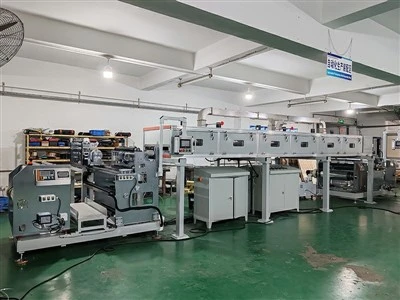
If you’re still struggling with your coating machine, or you need parts, spares, or a refresher on maintenance steps, hit me up. I’d be happy to walk you through your specific machine, no pressure, just helping a fellow plant owner avoid costly downtime. We’re here to make your life easier, not sell you a new machine when the old one just needs a little TLC.
Coating Machine Now, references:
- Coating Machine Maintenance Best Practices, Industrial Equipment Association, 2022
- Operator Training Standards for Converting Equipment, National Association for Printing and Converting, 2021
- Lubrication Guidelines for Industrial Coating Machinery, Machinery Lubrication Magazine, 2023
- Preventive Maintenance Cost-Benefit Analysis for Manufacturing Equipment, Manufacturing Extension Partnership, 2022
Dongguan Innate Intelligent Technology Co., Ltd.
With abundant experience, we are one of the most professional coating machine manufacturers in China. With a professional production team, we are able to meet the needs of the majority of our customers. Please feel free to buy advanced coating machine made in China here from our factory. Customized orders are welcome.
Address: Room 201, Building 4, No. 92, Fenghuang Road, Dalingshan Town, Dongguan City, Guangdong Province
E-mail: 13316631159@163.com
WebSite: https://www.getinnater.com/
