As a supplier in the building wire industry, one question I often get is: “What is the ampacity of building wire?” It’s a crucial topic that ties directly into ensuring electrical systems are safe and efficient. So, let’s dive into this together and break it down in simple terms. Building Wire

Basics of Ampacity
First off, let’s talk about what ampacity actually means. Ampacity refers to the maximum amount of electrical current a wire can carry safely without overheating. You can think of it as the wire’s “capacity” for handling electricity, similar to how a water pipe has a limit on how much water it can flow through without bursting.
When an electrical current passes through a wire, it generates heat. If the current is too high for the wire’s capacity, the wire can overheat. Overheating is a big no – no because it can damage the wire’s insulation, which in turn can lead to short circuits, electrical fires, and all sorts of other dangerous situations.
Factors Affecting Ampacity
There are several factors that determine the ampacity of a building wire.
Wire Size
The size of the wire is one of the most significant factors. In general, the larger the wire diameter, the higher its ampacity. This is because a larger wire has less resistance. Resistance is like friction for electricity; it causes the wire to heat up as current flows through it. A bigger wire provides more space for the electrons to move, reducing resistance and allowing more current to flow without excessive heating. For example, a 14 – gauge wire is smaller than a 12 – gauge wire. A 14 – gauge wire typically has an ampacity of around 15 amps in a typical residential setting, while a 12 – gauge wire can handle up to 20 amps.
Insulation Material
The type of insulation on the wire also plays a role. Different insulation materials have different heat – resistance properties. Some insulation materials can withstand higher temperatures without breaking down. For instance, wires with thermoplastic insulation are common in many building applications. But there are also wires with more high – performance insulation like cross – linked polyethylene (XLPE), which can handle higher temperatures and thus may have a higher ampacity for the same wire size compared to thermoplastic – insulated wires.
Ambient Temperature
The temperature of the environment where the wire is installed matters a lot. If the wire is in a hot attic or a machinery room with high – temperature equipment running nearby, the ambient heat will add to the heat generated by the electrical current in the wire. As a result, the wire’s ampacity will be reduced. Electrical codes usually have tables that let you adjust the ampacity of a wire based on the ambient temperature. For example, if the ambient temperature is above a certain level (say, 30°C or 86°F), you might have to derate the wire’s ampacity by a certain percentage.
Installation Conditions
How the wire is installed can affect its ampacity too. If multiple wires are bundled together, they can trap heat, reducing the overall ampacity of each wire. This is because the heat generated by one wire can’t dissipate as easily when it’s surrounded by other hot wires. Also, if the wire is installed in a conduit, the type of conduit (metal or non – metal) and how full the conduit is can impact the wire’s ability to cool down.
Importance of Correct Ampacity in Building Wiring
Getting the ampacity right is super important in building wiring. In residential buildings, it ensures that your lights, appliances, and other electrical devices work properly and safely. For example, if you’re installing a new air conditioner that requires a high – current circuit, using a wire with too low an ampacity can cause the wire to overheat, trip the circuit breaker, or even start a fire.
In commercial and industrial settings, the stakes are even higher. Large machinery and equipment rely on a stable and safe electrical supply. Incorrect ampacity can lead to costly downtime, equipment damage, and potential safety hazards for workers. Electrical engineers and contractors need to carefully calculate the ampacity requirements for each circuit in a building to ensure compliance with electrical codes and standards.
How to Determine the Ampacity You Need
As a building wire supplier, I often help customers figure out the right wire ampacity for their projects. Here’s a general process.
-
Load Calculation: First, you need to calculate the electrical load. This involves adding up the power requirements of all the devices that will be connected to the circuit. For example, if you’re wiring a kitchen, you’ll need to consider the refrigerator, microwave, dishwasher, and other appliances. Each device usually has a label that indicates its power consumption in watts. Divide the total watts by the voltage (in most residential settings in the US, it’s 120V) to get the current in amps.
-
Account for Future Expansion: It’s a good idea to plan for future expansion. You might want to add more devices to the circuit in the future. So, leave some extra capacity when choosing the wire size.
-
Check Electrical Codes: Electrical codes in your area have specific requirements for ampacity. Make sure to check these codes and follow them. They’re in place to ensure the safety of the electrical system in your building.
Our Role as a Building Wire Supplier
At our company, we understand the importance of providing high – quality building wires with accurate ampacity ratings. We source our wires from reliable manufacturers who adhere to strict quality control standards. Our team is always ready to help you choose the right wire for your specific needs.
We have a wide range of wires available in different sizes and insulation types. Whether you’re working on a small residential renovation or a large commercial construction project, we can provide you with the wires that meet your ampacity requirements. We can also offer advice on installation best practices to ensure the wires perform at their optimal level.
Why Choose Our Building Wires
Our building wires are known for their reliability and safety. We test our wires rigorously to ensure they meet or exceed industry standards. The insulation on our wires is durable and heat – resistant, which helps maintain the wire’s ampacity even in challenging environments.
We also offer competitive pricing and excellent customer service. We understand that time is of the essence in construction projects, so we strive to provide fast delivery and support. Our goal is to make the process of buying building wires as easy and stress – free as possible for you.
Let’s Connect
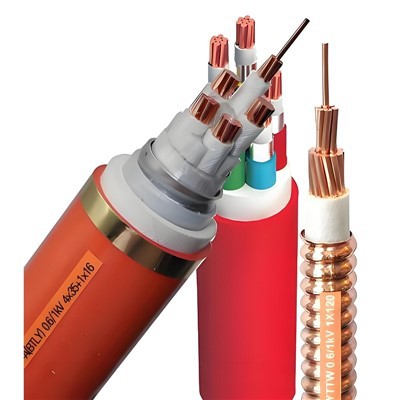
If you’re in the market for building wires and need to figure out the right ampacity for your project, don’t hesitate to reach out. We’re here to answer all your questions and help you make the best choice. Whether you’re an electrical contractor, a builder, or a DIY enthusiast, we have the expertise and products to meet your needs.
Cable Contact us to start the discussion. Let’s work together to ensure your electrical system is safe, efficient, and up to code.
References
- National Electrical Code (NEC)
- Handbook of Electrical Engineering
- Electrical Installation Manuals from Reputable Manufacturers
Hebei Liangyu Cable Co., Ltd.
We’re well-known as one of the leading building wire manufacturers and suppliers in China, specialized in providing high quality customized service. We warmly welcome you to buy durable building wire made in China here and get pricelist from our factory. For price consultation, contact us.
Address: Yanbai Industrial Zone, Jiajiakou Town, Ningjin County, Xingtai City, Hebei Province
E-mail: 18932990441@163.com
WebSite: https://www.liangyucable.com/
