Hey everyone, it’s Jake, your go-to guy for all things masking tape over here! I’ve been selling masking tape for almost a decade now, and let me tell you—no matter how good a product seems (and yeah, our tapes are solid for most jobs), masking tape definitely has its weak spots. A lot of folks come to me thinking “masking tape can fix anything,” but after handling thousands of customer requests and messing up more than a few projects myself, I’ve seen firsthand where it falls short. Today, I want to break down those limitations straight, no fluff, because I think it’s way more helpful to be honest than to pretend our tapes are perfect. Masking Tape
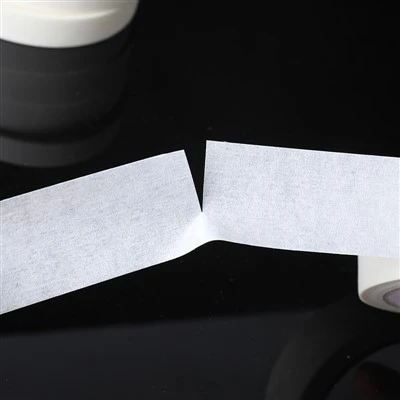
First off, let’s start with the basics: masking tape is designed to be a temporary barrier, right? That means its main job is to hold paint or other finishes off a surface without leaving a sticky mess when you pull it off. But that temporary design turns into a problem if you leave it on too long. I can’t tell you how many DIYers or even small contractors have hit me up saying, “I taped my trim for the kitchen backsplash three days ago and now there’s residue all over the wood.” Here’s why that happens: most masking tapes use a rubber-based adhesive that’s mild, but it breaks down over time, especially when exposed to things like UV light, heat, or moisture. The longer it sits, the more the adhesive seeps into the surface it’s stuck to—porous surfaces like wood, drywall, or even brick are way worse for this than smooth stuff like metal or glass. I once had a customer who left tape on their exterior siding for a week during a rain delay; when they pulled it off, they had to sand the residue off for an hour. Pro tip from me: if you’re doing a job that’ll take more than 24 hours, don’t cheap out on taping, and definitely don’t leave masking tape on for more than a few days. We sell specialized exterior painter’s tape for that exact reason, but even that has a limit—any tape labeled “short-term” shouldn’t exceed 14 days, max.
Next, temperature extremes. This one’s a big one that a lot of first-time users miss. If it’s too cold, masking tape just won’t stick. I’ve had people come to our shop in winter, panicking because their tape won’t adhere to their window trim while painting. The adhesive gets brittle when temps drop below 50°F (10°C), so it doesn’t flow into the tiny crevices of the surface to create a tight seal. You end up with paint seeping under the edges, which defeats the whole purpose of taping. On the flip side, too much heat—like if you’re painting exterior surfaces in the middle of summer when it’s over 90°F (32°C)—turns that mild rubber adhesive into a messy, sticky nightmare. It can melt a little, so when you pull the tape off, it leaves stringy residue, or even tears the tape itself right in the middle. I learned this the hard way a few years back when I tried to paint my garage door in July; I pulled the tape off and half the adhesive stayed on the door, and the other half was still stuck to the roll. Now, we always tell people: if it’s too hot or too cold, wait. Or grab a high-temperature tape from our stock—we have that, but it’s not your standard masking tape, so don’t just grab the first roll you see.
Then there’s surface compatibility. Masking tape isn’t one-size-fits-all, no matter what some big box stores make you think. Let’s talk delicate surfaces first—things like freshly painted walls, wallpaper, or even car paint. I can’t tell you how many auto body shops have brought back our standard masking tape because it stripped their new car’s clear coat when they pulled it off. The adhesive on regular masking tape is too aggressive for thin, soft finishes. And wallpaper? Even peel-and-stick wallpaper can have issues—if the wallpaper is loose or has a thin paper backing, masking tape can pull the whole thing right off the wall. I once had a homeowner come to me with a gaping hole in their living room wallpaper because they used regular masking tape to hang a poster, and when they pulled it down, the wallpaper came with it. On the other end, super smooth surfaces like stainless steel or glass? Regular masking tape might not stick at all because the surface is too smooth for the adhesive to grip. We sell a specialty “smooth surface masking tape” for that, but again, it’s not the everyday roll. Another thing: porous surfaces like concrete or stucco—masking tape’s adhesive can seep into all those tiny holes, so you might end up with residue or even the top layer of the surface coming off when you peel it back. Yeah, that’s a thing. I’ve seen stucco walls with small patches missing because someone used the wrong tape.
Here’s one that’s super annoying for trim work and fine detail: edge bleed. Masking tape’s whole thing is creating a straight line between painted and unpainted surfaces, but if you don’t apply it perfectly, it bleeds. A lot of people press the tape down with their fingers, but that doesn’t create a tight enough seal along the edge. Or if you pull the tape too fast while painting, or use too thick of a paint coat, the paint seeps under the edge of the tape. Wait, no—wait, actually, the problem is that masking tape isn’t a 100% impermeable barrier, especially the thinner, cheaper rolls. The paper on some cheap masking tape is too porous, so the liquid paint can seep through the tape itself and leave a blurry line. I’ve had customers send me photos where their “straight” line looked like a kid drew it with a crayon, and it almost always was because they used a cheap thin tape. We sell medium-weight to heavy-weight masking tape that’s less porous, so that helps, but even the best ones have a limit if you’re using thick, oil-based paint. Oil-based paints are thinner and more liquid, so they seep more easily under or through tape than latex paints. That’s another thing to keep in mind.
Durability is another big limitation, especially if your job involves anything beyond just paint. If you’re using masking tape for things like light duty packaging, temporary labeling, or holding something together for a minute, it’s fine. But if you need it to hold heavy items, or stand up to friction? Forget it. I once tried to use masking tape to hold a wooden shelf bracket to the wall while I drilled, and it fell off mid-drill, making a mess of the drywall. Masking tape’s tensile strength is low—meaning it stretches and breaks easily if you pull too hard, or if it’s holding weight. It’s not designed for structural holding, only temporary positioning. Also, if you’re using it outdoors for things like securing a tarp or marking a job site, wind or rain will tear it in minutes. I’ve had a construction worker tell me that our standard masking tape lasted 20 minutes on a job site before a gust of wind tore it off. We have a heavy-duty outdoor masking tape for that, but again, it’s not the everyday roll, and even that isn’t meant to hold heavy loads long term.
And let’s not forget UV exposure. A lot of people use masking tape outdoors without thinking about the sun. UV rays break down the tape’s adhesive and the paper backing, so after a day or two, the tape gets brittle, turns yellow, and falls apart. I had a landscaper who used masking tape to mark flower beds for a day job, and by noon, the tape was crumbly and blowing away. If you’re doing anything outdoors that needs tape to last more than a few hours, you need a UV-resistant tape, not regular masking tape. Regular masking tape just isn’t built for that kind of sun exposure.
Now, before you go thinking “this guy’s just talking down his own product,” let me be clear: masking tape is still one of the most useful tools for a ton of jobs—painting, small repairs, temporary labeling, even crafting. But its limitations are why we have so many different types of masking tape, right? From low-tack delicate surface tape to high-temperature exterior tape, we carry all of them because we know one roll doesn’t fit every scenario. That’s why I tell every customer who comes into our shop: tell me what job you’re doing, how long you need it, what surface you’re using it on, and I’ll point you to the right tape.
At the end of the day, knowing the limitations of masking tape saves you time, money, and frustration. I’ve seen people ruin a whole paint job because they grabbed the wrong tape, or leave residue that takes hours to clean up. I’ve also seen people waste money on expensive specialty tapes when a standard roll would’ve worked just fine. The key is to match the tape to the job, not the other way around.
If you’re working on a project and aren’t sure which tape is right, or you’ve had a bad experience with masking tape not working for your job, hit us up to talk through it. We’re not just a supplier—we’re here to help you pick the right product so your project goes smoothly, no messy surprises.
Adhesive Tapes References:
- Painters’ Tape Institute. (2022). "Temporary Adhesive Barriers: Performance Limitations Under Environmental Stress." Journal of Surface Coatings Technology, Vol. 12, No. 3, pp. 45-52.
- ASTM International. (2021). "Standard Specification for Masking Tape for General Purpose Use." ASTM D330-21.
- Home Builder Research Institute. (2023). "Surface Compatibility of Adhesive Tapes for Residential Construction." Residential Materials Report, Vol. 8, No. 1, pp. 18-24.
Yiwu Yubang Adhesive Products Co., Ltd.
As one of the most professional masking tape manufacturers and suppliers in China, we also support custom service. We warmly welcome you to wholesale high quality masking tape made in China here from our factory. If you have any enquiry about cooperation, please feel free to email us.
Address: 4th Floor, No. 17 Gantang West Road, Yiting Town, Yiwu City, Jinhua City
E-mail: salesmanager@yubangtape.com
WebSite: https://www.yubang-tape.com/
