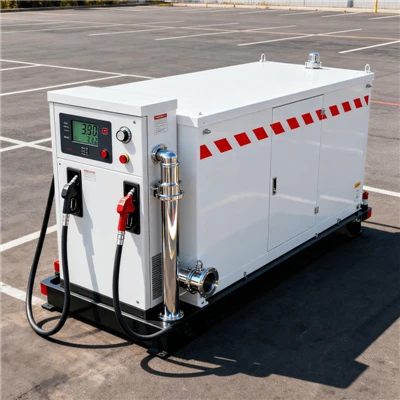
Testing the fuel in a self – contained fuel station is a critical aspect of ensuring its quality, safety, and compliance with industry standards. As a supplier of self – contained fuel stations, I often encounter questions from our customers regarding the frequency of fuel testing. This blog aims to provide a comprehensive overview of how often the fuel in a self – contained fuel station should be tested. Self-contained Fuel Station
Factors Influencing Fuel Testing Frequency
Several factors play a role in determining the appropriate frequency of fuel testing in a self – contained fuel station. These factors are crucial as they can significantly affect the quality and integrity of the fuel over time.
Fuel Type
Different types of fuel have varying chemical compositions and stability characteristics. For example, gasoline is more volatile than diesel fuel. Gasoline contains a higher percentage of light hydrocarbons, which can evaporate more readily, leading to changes in its octane rating and combustion performance. On the other hand, diesel fuel is more prone to oxidation and microbial growth, especially in the presence of water.
For gasoline, it is generally recommended to conduct regular testing at least every three to six months. This frequency helps to detect any changes in octane number, the presence of contaminants, or phase separation that could occur due to moisture ingress. Diesel fuel, due to its susceptibility to oxidation and microbial contamination, may require more frequent testing, typically every one to three months.
Storage Conditions
The conditions under which the fuel is stored have a profound impact on its quality. Temperature, humidity, and exposure to sunlight can all accelerate the degradation of fuel. High temperatures can increase the rate of oxidation, while humidity can introduce water into the fuel system, promoting microbial growth.
If the self – contained fuel station is located in a hot and humid climate, the fuel is more likely to degrade quickly. In such cases, more frequent testing may be necessary. For instance, in tropical regions where temperatures often exceed 30°C (86°F) and humidity levels are high, gasoline may need to be tested every three months, and diesel fuel every one to two months.
Conversely, if the fuel is stored in a well – insulated and climate – controlled environment, the degradation process is slower, and testing can be less frequent. However, it is still essential to maintain a regular testing schedule to ensure fuel quality.
Usage Rate
The rate at which fuel is dispensed from the self – contained fuel station also affects testing frequency. A station with a high usage rate, such as a fueling station at a busy transportation hub, will replenish its fuel supply more frequently. This means that the fuel is in storage for a shorter period, reducing the risk of degradation.
In a high – usage station, testing can be done less frequently compared to a low – usage station. For example, a high – volume station may be able to test its gasoline every six months and diesel fuel every three months. In contrast, a low – usage station, such as a fuel station at a remote location or a private facility with infrequent fueling needs, may need to test the fuel more often, as the fuel may sit in storage for longer periods.
Regulatory Requirements
Regulatory bodies often impose specific requirements regarding fuel testing frequency. These regulations are in place to protect consumers, ensure environmental safety, and maintain the overall quality of the fuel supply.
In many countries, there are strict guidelines for fuel quality and testing. For example, in the United States, the Environmental Protection Agency (EPA) and state – level agencies have regulations governing the quality of gasoline and diesel fuel. These regulations may specify minimum testing frequencies, as well as the types of tests that must be performed. It is essential for self – contained fuel station operators to be aware of and comply with these regulatory requirements.
Recommended Testing Frequencies
Based on the factors discussed above, here are some general recommendations for fuel testing frequencies in self – contained fuel stations:
Gasoline
- Normal Conditions: In a typical self – contained fuel station with moderate usage and average storage conditions, gasoline should be tested at least every six months. This testing should include checks for octane number, distillation range, and the presence of contaminants such as water, sediment, and sulfur.
- Harsh Conditions: In hot and humid climates or stations with low usage rates, gasoline testing should be conducted every three months. This more frequent testing helps to catch any early signs of degradation and ensure that the fuel meets quality standards.
Diesel Fuel
- Normal Conditions: For diesel fuel in a self – contained fuel station with normal usage and storage conditions, testing every three months is recommended. The tests should focus on properties such as cetane number, viscosity, oxidation stability, and the presence of water and microbial contamination.
- Harsh Conditions: In stations located in areas with extreme temperatures, high humidity, or low usage, diesel fuel should be tested every one to two months. This is because diesel fuel is more susceptible to degradation under these conditions, and early detection of problems is crucial.
The Importance of Regular Fuel Testing
Regular fuel testing is not just a regulatory requirement; it also offers several benefits to self – contained fuel station operators and their customers.
Ensuring Fuel Quality
By testing the fuel regularly, operators can ensure that it meets the required quality standards. High – quality fuel provides better engine performance, reduces emissions, and extends the lifespan of engines. This, in turn, enhances customer satisfaction and loyalty.
Preventing Equipment Damage
Contaminated or degraded fuel can cause damage to fuel dispensing equipment, such as pumps, filters, and injectors. Regular testing allows operators to detect and address any fuel quality issues before they cause significant damage to the equipment. This helps to reduce maintenance costs and downtime.
Complying with Regulations
As mentioned earlier, regulatory bodies have strict requirements regarding fuel quality. By conducting regular fuel testing and maintaining proper records, self – contained fuel station operators can demonstrate compliance with these regulations. This helps to avoid fines and legal issues.
How Our Self – Contained Fuel Stations Facilitate Fuel Testing
As a supplier of self – contained fuel stations, we understand the importance of fuel testing and have designed our products to facilitate this process. Our self – contained fuel stations are equipped with features that make it easy to access the fuel for testing.
We provide sampling ports at strategic locations within the fuel storage tank and dispensing system. These ports allow operators to collect fuel samples without disrupting the normal operation of the station. Additionally, our stations are designed to be easily cleaned and maintained, reducing the risk of contamination and making it easier to ensure the accuracy of fuel tests.
We also offer training and support to our customers on fuel testing procedures. Our team of experts can provide guidance on the appropriate testing frequency based on the specific conditions of each self – contained fuel station. We can also assist with interpreting test results and implementing corrective actions if necessary.
Conclusion

Determining how often the fuel in a self – contained fuel station should be tested requires careful consideration of several factors, including fuel type, storage conditions, usage rate, and regulatory requirements. By following the recommended testing frequencies and conducting regular fuel testing, self – contained fuel station operators can ensure the quality and safety of their fuel, prevent equipment damage, and comply with regulations.
Mobile Fuel Station If you are in the market for a self – contained fuel station or need more information on fuel testing and our products, we encourage you to contact us. Our team of experienced professionals is ready to assist you with your fueling needs and provide you with the best solutions for your self – contained fuel station.
References
- ASTM International. (Year). Standard test methods for petroleum products and lubricants. ASTM.
- Environmental Protection Agency. (Year). Fuel quality regulations and guidelines. EPA.
- International Organization for Standardization. (Year). ISO standards for fuel quality and testing. ISO.
Shandong Jingcai Industry and Trade Co., Ltd.
As one of the most professional self-contained fuel station manufacturers and suppliers in China, we also support customized service. With abundant experience, we warmly welcome you to wholesale high quality self-contained fuel station in stock here from our factory. Contact us for free sample.
Address: Caojiazhuang Village Industrial Park, Lingcheng Town, Qufu City, Jining City, Shandong Province.
E-mail: shandongjingcai888@gmail.com
WebSite: https://www.sdjingcaicn.com/
