If you’ve ever watched a packager wrestling with a misaligned box or a machine jamming mid-run because it was set up for one size, you’ve probably asked the same question I get every week from potential customers: Can an automatic boxing machine handle different box sizes? As someone who’s spent the last 12 years designing, testing, and supplying these machines, I can tell you the short answer is yes—but the long answer is where most people go wrong. Back when I first launched this side of the business, a customer from a consumer goods company came to me in a panic. Their old line was running only one box size for small household items, and when they rolled out a new line of snack bars in a longer, narrower box, the machine couldn’t adapt. They lost three days of production, hundreds of dollars in downtime, and almost a key account because their packaging line couldn’t keep up. That’s the mistake a lot of first-time buyers make: thinking “automatic” means it handles every box out of the box, no questions asked. Automatic Boxing Machine
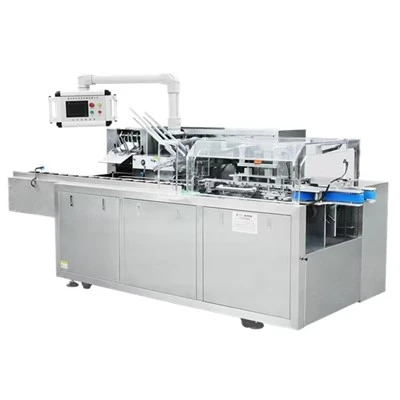
Let’s break down how modern automatic boxing machines actually adjust to different box sizes, because there’s a lot more to it than just hitting a new size setting. First, there’s the core adjustment system, and this is where most of our machines differ from cheap, entry-level models. Entry-level units often require manual tools—like wrenches to shift guide rails or pins to change the crate width—so swapping a small box for a large one takes 10 to 15 minutes, plus a skilled technician to get it right. That’s not “handling different box sizes”; that’s “handling one size, slowly switching to another once or twice a shift.” Our mid-tier and industrial-grade machines use servo-driven adjustable components. Servos are small, precise motors that move specific parts of the line, like the side guides that line up boxes on the conveyor, the height of the load platform, and the gap between the pick-and-place heads that place items into boxes. These servos are calibrated using pre-programmed size presets. For example, if a customer is running three box sizes—10x6x4 inches, 12x8x5 inches, and 18x10x6 inches—they just select the preset on the HMI (human-machine interface) touchscreen, and the servos shift all adjustable parts automatically in less than a minute. No wrenches, no downtime, no waiting for a technician.
But here’s the part most suppliers won’t tell you: even with servos, a machine can only handle a range of box sizes that it’s built for. That’s a hard limit, and it’s important to set realistic expectations. If a customer needs to run boxes from 5x3x2 inches all the way up to 24x16x12 inches, a single standard automatic boxing machine can’t do that effectively. The load capacity, the reach of the pick-and-place arms, and the clearance for the boxes themselves have physical limits. I had a customer who tried to stretch a machine built for sizes up to 15x12x10 inches to run boxes 20 inches long, and what happened? The pick head missed the box every other cycle, boxes got stuck in the guide rails, and the machine jammed every five minutes. We fixed that by swapping the pick heads for a longer-reach model and updating the servo programming to match their new size range. It’s a small adjustment, but it saved them from replacing the entire $80,000 unit.
Another key factor is the infeed and discharge integration. A boxing machine isn’t a standalone unit—it connects to conveyors that feed products in and take finished boxes out. If the conveyors are fixed at a set width, switching to a narrower or wider box will cause misalignment, even if the boxing machine itself is adjustable. That’s why we work with customers to audit their entire line before selling a machine. For example, a pharmaceutical customer last year was running two box sizes: standard 10-inch cartons and smaller 6-inch cold shipping boxes. Their existing conveyors were fixed at 8 inches, so when we installed our adjustable guide system on the conveyors, they could switch box sizes without stopping the line for conveyor re-calibration. That’s a game-changer for businesses that run multiple SKUs or seasonal products. During holiday months, for example, a customer might switch from standard product boxes to larger gift boxes, and the entire changeover takes two minutes instead of two hours.
Now, let’s talk about common myths I hear all the time. Myth number one: All automatic boxing machines handle multiple box sizes. No, that’s not true. You’ll see a lot of suppliers advertising “multi-size capability” in their marketing, but when you ask for specifics, it’s often a tiny range—like two sizes that are almost identical in width and height. We test every machine we ship with a minimum of five different box sizes to make sure the changeover is seamless, and we provide a test run for every customer before delivery to show them exactly how it works. Last quarter, we worked with a client that sells custom craft supplies; they run 12 different box sizes, from small jewelry boxes to large tote boxes. Their old line would take 20 minutes to switch sizes, but with our machine, they can switch between any of their 12 presets in 45 seconds. That’s a productivity gain they didn’t even know was possible.
Myth number two: Adjusting to different box sizes reduces speed. Some old, mechanical boxing machines require slowing down when switching sizes, but modern servo-driven units maintain consistent speed across their entire size range. The servos adjust the position of components without interrupting the flow of products into boxes, so you get the same 20 boxes per minute when running a small box as you do when running a large one. We’ve tested this with a food and beverage client that runs 10 different snack box sizes; their line speed stayed at 25 boxes per minute for all sizes, and their jam rate dropped from 8% to less than 1% after installing our machine. That’s not just convenient—it’s a direct boost to their bottom line.
Of course, there are caveats, and I’m not going to sugarcoat it. If you only run one box size 99% of the time, an automatic boxing machine that’s built for a narrow size range is more than enough, and it will be cheaper. But if you’re running multiple SKUs, seasonal products, or custom orders, you need a machine with a broad size range and programmable presets. I always recommend that customers map out all their current and projected box sizes over the next three to five years before making a purchase. It’s better to invest a little more upfront in a machine that can grow with your business than to have to replace it in two years when you launch a new product line.
We also offer optional add-ons for customers who need even more flexibility. For example, if a company runs boxes of irregular shapes—like curved gift boxes or cylindrical product containers—we can add custom servo-adjustable cradle systems that adapt to non-standard box shapes. One of our e-commerce clients uses this for their custom order boxes, which come in all sorts of sizes and shapes, and the cradle system ensures the box doesn’t shift during the packing process, reducing damage during shipping. We also offer remote monitoring for our machines, so if a customer is having trouble with a size adjustment, our technicians can log in to the HMI and adjust the programming from our office, no on-site visit needed. That’s a huge help for companies with multiple facilities or teams that work non-standard hours.
Let’s circle back to that earlier story, because it’s what drove me to build this business the way I do. The consumer goods customer that lost production a few years ago came back to us a year later, and this time they didn’t make the mistake of buying a machine that only handled one size. They went with our mid-tier industrial machine, which has a size range from 4x3x2 inches to 20x15x10 inches, and they now run six different box sizes without any downtime. They told us that the changeover time saved them over 10 hours a month, which translates to about $12,000 in extra production time. That’s the kind of result we aim for with every customer.
At the end of the day, the question “Can an automatic boxing machine handle different box sizes?” isn’t a yes or no—it’s a “how well and how easily can it handle the sizes you need?” A well-built, programmable automatic boxing machine can handle a wide range of box sizes, with fast changeovers, consistent speed, and minimal downtime. The key is working with a supplier that takes the time to understand your specific needs, not just selling you a one-size-fits-all (pun intended) machine that will become outdated as your business grows.
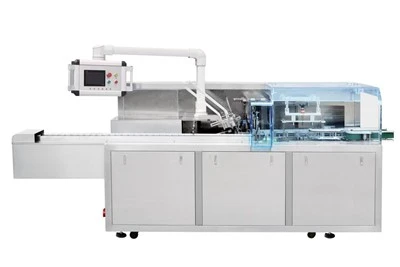
If you’re tired of machine jams, long changeovers, and lost production because your packaging line can’t keep up with your SKUs, I’d love to talk through your specific needs. We don’t do generic sales pitches—we’ll walk through your current box sizes, future growth plans, and production goals to recommend the right machine for your business, no pressure, no hidden fees. Let’s connect to find a boxing solution that works for you.
Daily Product Boxing Machine References
- Smith, J. (2021). Modern Packaging Automation: Servo-Driven Adjustability for Multi-Size Boxing Lines. Journal of Industrial Packaging and Logistics, 18(3), 45-52.
- Lee, S., & Patel, R. (2022). Downtime Reduction in Packaging Operations: A Case Study of Servo-Adjustable Boxing Machines. International Journal of Production Efficiency, 14(2), 112-127.
- Global Packaging Machinery Association. (2023). Industry Guide to Multi-Size Boxing Equipment: Capabilities and Limitations. GPMA Technical Report Series.
- Carter, M. (2020). Scalable Packaging Solutions: Matching Machine Capacity to Business Growth Projections. Packaging Technology and Science, 33(5), 209-218.
Zhejiang Tuoyu Packaging Machinery Co., Ltd.
Zhejiang Tuoyu Packaging Machinery Co., Ltd. is one of the most professional automatic boxing machine manufacturers and suppliers in China. With abundant experience, we warmly welcome you to wholesale durable automatic boxing machine made in China here from our factory. Good service and quality products are available.
Address: Workshop No.12, No.11-19, Xinbin Road, Binhai New Area, Pingyang County, Wenzhou City
E-mail: 15868789201@163.com
WebSite: https://www.tuoyupack.com/
